







Back
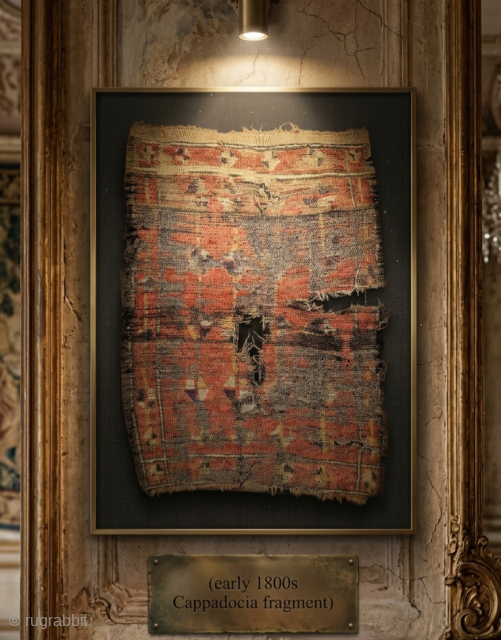


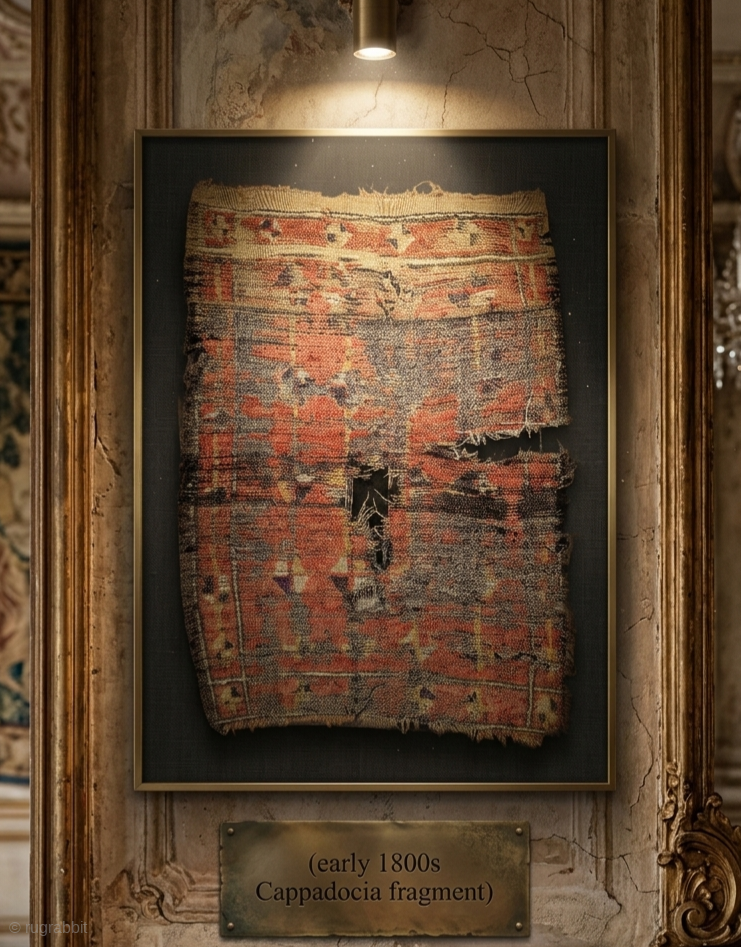
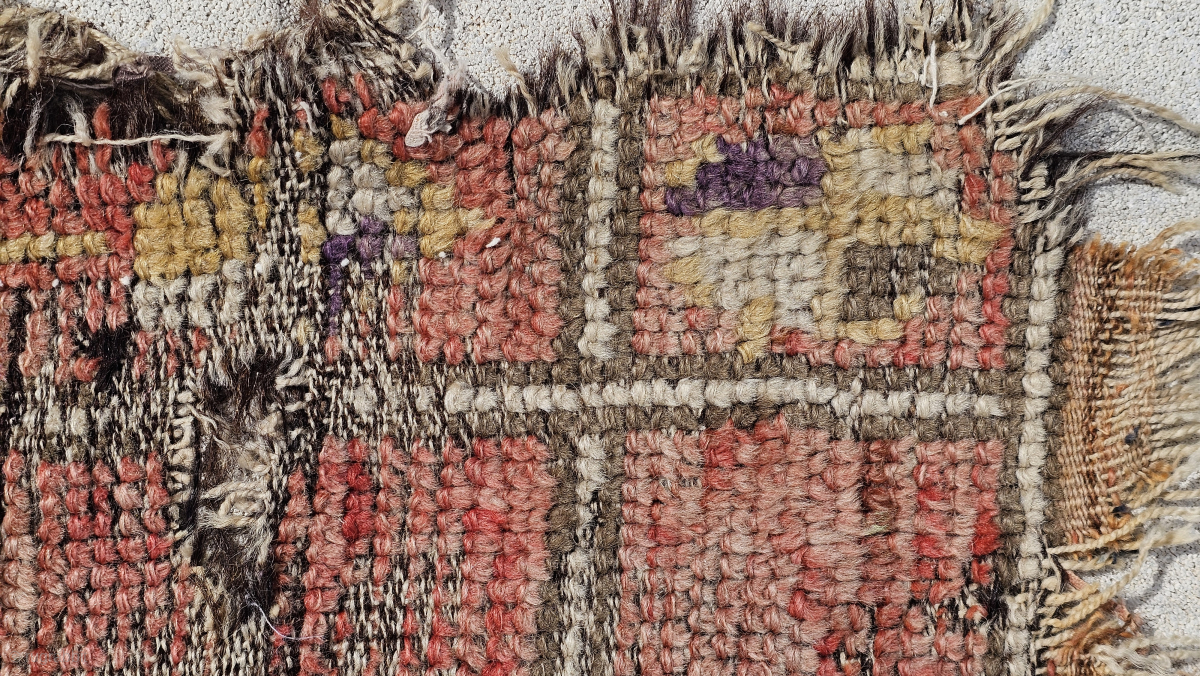
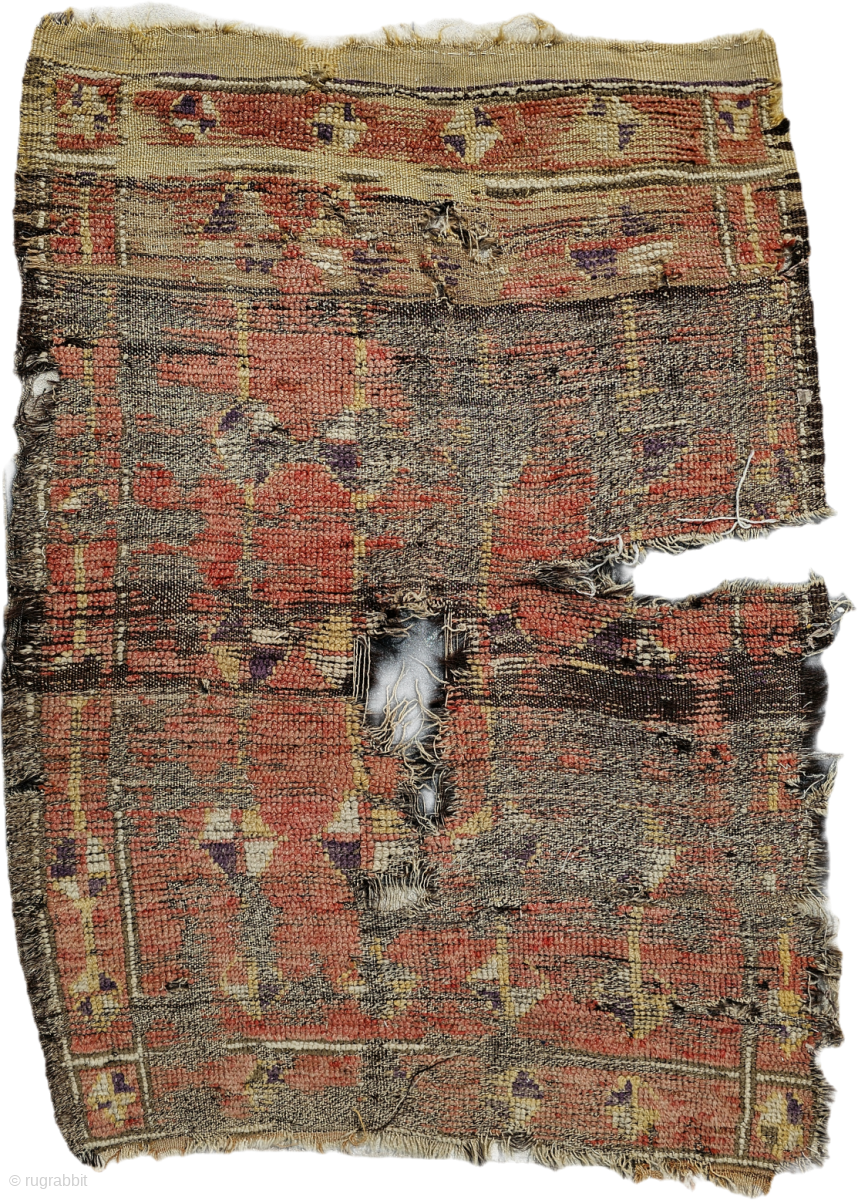

Central anatolia, Cappadocia
Size ; 110x150
In the heart of early 1800s Anatolia, where volcanic landscapes formed by Mount Erciyes and Mount Hasan carved caves into the very stone, life was rugged and enduring. Winters were brutal, and the stone dwellings offered little warmth. It was in this unforgiving environment that the true heroes emerged: the unnamed women of Anatolia. They didn't just weave for aesthetic beauty; they wove for survival.
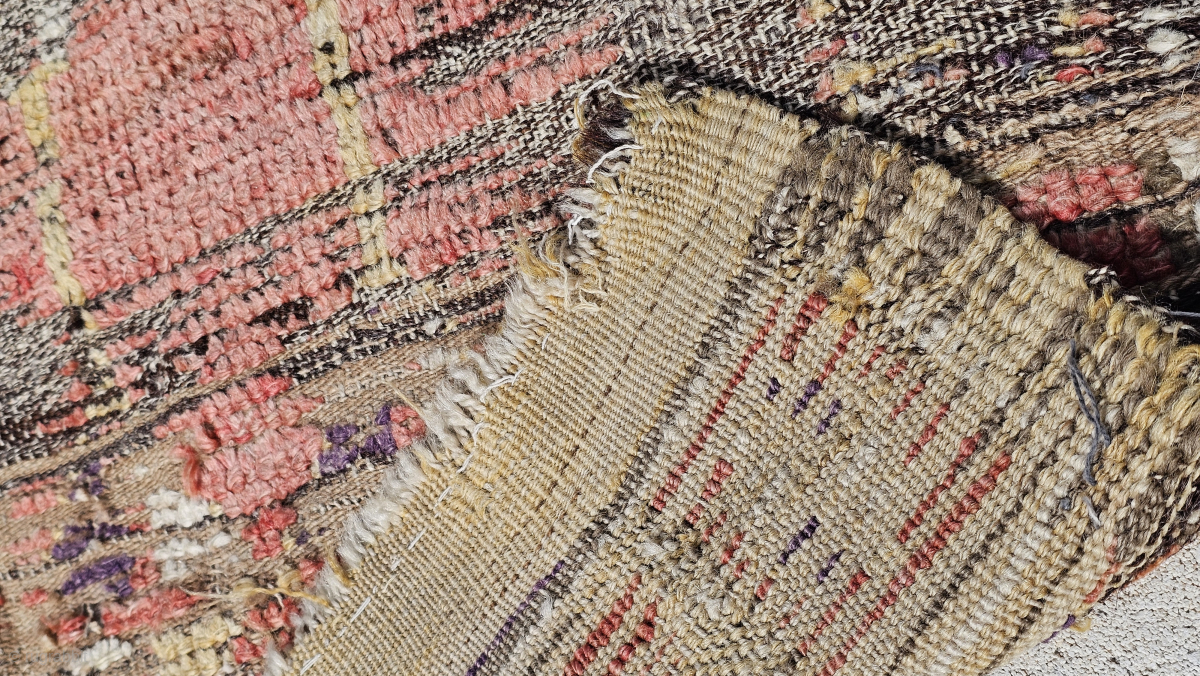
With hands made strong by toil and hearts overflowing with love, they created these "tüylü halı," or shaggy rugs. More than just a floor covering, these works of art were thick, insulated shields against the encroaching cold. Each knot was a testament to their resilience, tied with the hope of providing comfort to their children.
Imagine a little one tucked away in their cozy corner of the cave, safe beneath the deep pile of a tüylü halı. The rough-textured wool, though seemingly harsh, formed a plush barrier, absorbing the day's warmth and keeping the night's chill at bay. It was a mothers love made tactile, a soft landing in a hard world.
The intricate patterns, passed down through generations, spoke of cultural heritage and the deep connection these women had to their land. Each motif held a story, a prayer for a better future, a subtle reminder of the vibrant spirit that thrived even in the most challenging conditions.
Today, we honor these unsung heroines. We admire the timeless beauty of their tüylü halı, not just as exquisite textile art, but as a symbol of maternal devotion, resourcefulness, and the unwavering power of human ingenuity. Let us never forget the legacy of these brave women, whose simple acts of love woven into the fabric of life continue to warm our hearts centuries later.
price:
Ask