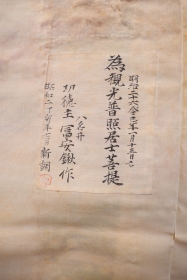
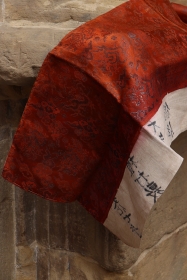
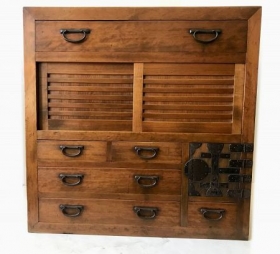
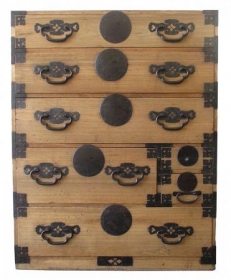
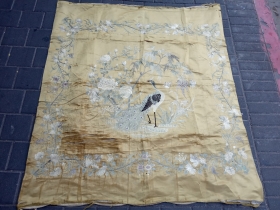
Japanese Edo period silk with metal thread temple banner. Calligraphy on cotton backing denotes the patron and monastic institution. Circa 1800-1825. Smaller, ... read more
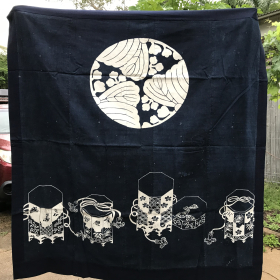
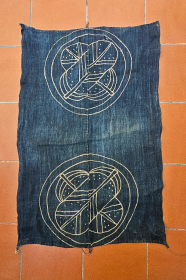
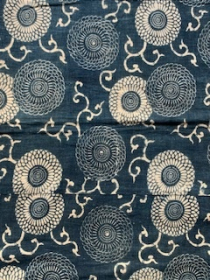
Japanese antique indigo-dyed hemp textile umakake, paste resist dyeing technique tsutsugaki. Used probably as a horse cover or futton cover. Family crest ... read more
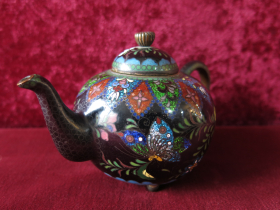
Antique Meiji era Japanese Cloisonne footed teapot. The teapot’s body is decorated all over with scrolling foliage and multicolored butterflies, flowers on ... read more
world ikat: a selling EXHIBITION
Ikat textiles from Central Asia, India, Japan, Southeast Asia, and elsewhere, including affordable collectibles ... read more
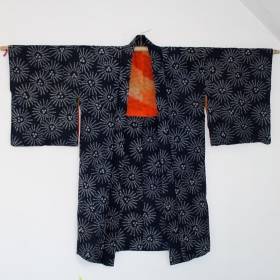
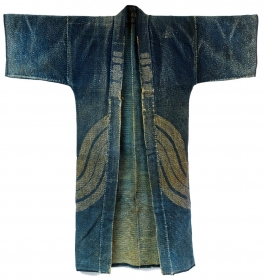
Antique Japanese haori, all silk dyed with indigo, shibori. The lining probably dyed with saffron, Benibana,an old Japanese dying method.
Except a very ... read more
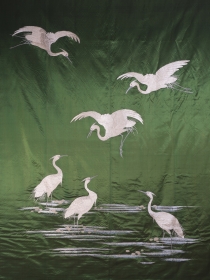
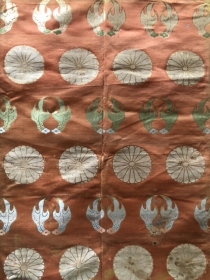
Large Green Japanese Silk Wall Hanging (212cm x 151 cm), 1870’s.
A lovely example, the deceptively simple composition of six cranes is elegant, ... read more
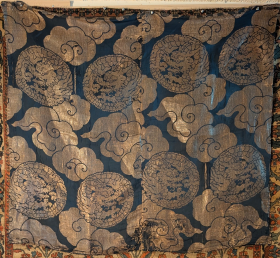
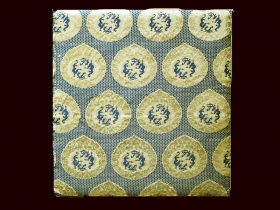
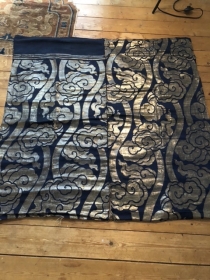
This interesting antique Uchishiki Japanese altar cloth is woven with silk. The delicate motifs represent clouds and dragons and metal thread have ... read more
This interesting Uchishiki Japanese altar cloth, dated 1817, is woven from very fine silk. The delicate motifs represent clouds and dragons. It ... read more
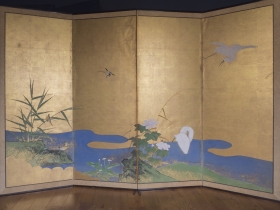
Late Edo/early Meiji period four leaf byobu screen featuring a particularly striking design of water birds and foliage along a stream. 168cm x ... read more
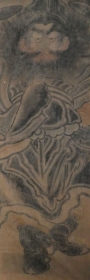
Japanese large banner decorated with Shōki, the demon queller.
This textile, over five meters high, is skillfully hand painted
while the two mon ... read more
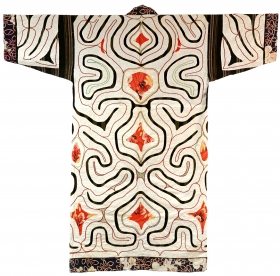
Ainu Robe - Ceremonial Kaparamip Kimono
The Ainu people traditionally used elm-bark to weave garments and accessories. By the late nineteenth century, trade ... read more
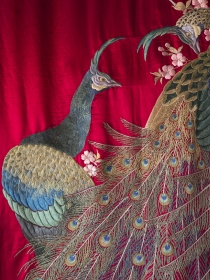
Superb Matching Pair Meiji Peacock Embroideries
A very rare and exceptional pair of Japanese silk wall hangings, circa 1890. Aprox 122cm x 276cm ... read more
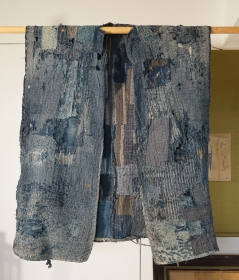
Wondeful early boro, with two different faces. To mount. Originally used as a cover for the tradidtional japanese charcoal brazier, "hori-gotatsu". Therefore ... read more
Virtual Lecture Program: "Kesa: `Patchwork’ Buddhist Monks’ Robes in Japan, from Austere to Luxurious" with Alan Kennedy, Independent Researcher, Author and Asian ... read more
Heavy weight, densely stitched indigo dyed cotton. Tsutsugaki dyed cloth. Indigo background with red and white design on the reverse. Horizontal bands ... read more
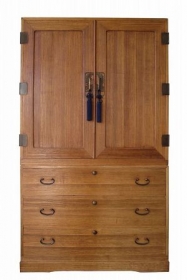
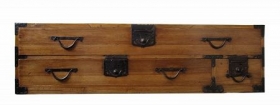
Antique Japanese 2 Section Isho Biraki Tansu Kirinoki Taisho Era
An antique Japanese 2 section Isho Biraki Tansu (Kimono Chest with hinged doors) ... read more
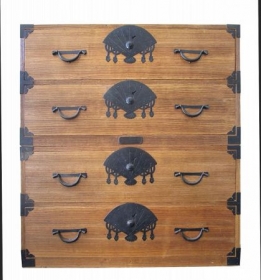
Antique Japanese Kasane Tansu (Stacking Chest on Chest) Kirinoki Meiji
An antique Japanese Kimono Kasane Tansu (stacking chest on chest) made entirely of ... read more
Antique Japanese Carved Okimono of Swimming Carp
Antique Japanese boxwood okimono of swimming carp fish with sinuously shaped body and realistically carved scales ... read more
Antique Japanese Tohoku Tansu Keyaki Burl Single Drawer Kimono Chest
An antique Japanese Tohoku Tansu made of beautiful Keyaki Burl root (Zelkova) and ... read more
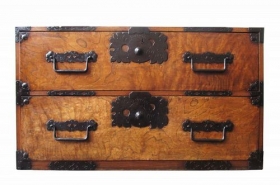
Antique Japanese Tohoku Tansu Keyaki Burl Double Drawer Kimono Chest
An antique Japanese Tohoku Tansu made of beautiful Keyaki Burl root (Zelkova) and ... read more
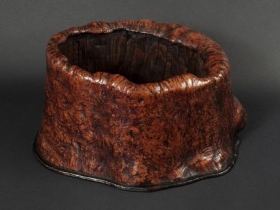
Japanese Antique Burl Hand Warmer
Japanese antique burl hand warmer, typically used in the tea ceremony where each participant would have their own ... read more
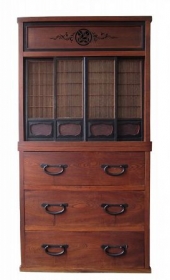
Antique Japanese Kamidana Tansu 2 Section Keyaki
An antique Japanese 2 Section Kamidana Tansu made of Keyaki (Zelkova), Hinoki (Cypress) and Suginoki (Cryptomeria) ... read more
Antique Japanese Today Tansu 1 Section Hinoki Meiji Period
An antique Japanese 1 section Todana Tansu made of Hinoki (Cypress) and Suginoki (Cryptomeria) ... read more
Antique Japanese Gifu Mizuya (Kitchen Chest) Persimmon Wood Accents
An antique Japanese Gifu Mizuya (kitchen chest) made of Hinoki (Cypress) and Suginoki (Cryptomeria) ... read more
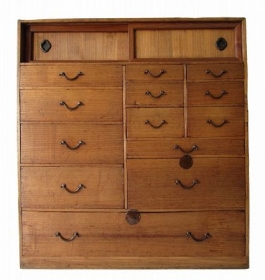
Antique Japanese Kansai Tansu (Multi Drawer Chest) Kiri Meiji Era
An antique Japanese Kansai Tansu in an unusual and unique multi-drawer design made ... read more
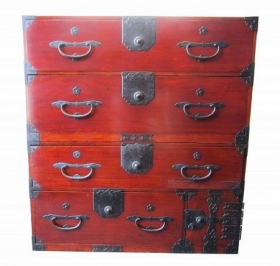
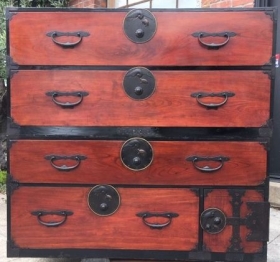
Antique Japanese Nihon Matsu Kasane Tansu Lacquered Keyaki Meiji Era
An antique Japanese 2 section Nihon Matsu Tansu made of Urushi lacquered Keyaki ... read more
Japanese Antique Bamboo Flower Basket
Japanese antique bamboo flower basket, cylindrical shaped with open weave with a criss cross design. Body open to ... read more
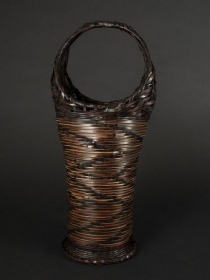
Japanese Antique Bamboo Basket
Japanese antique bamboo basket, tall narrow shape with circular handle. Design on body of zigzag alternating dark woven bamboo ... read more
Antique Japanese Mikuni Gyosho Bako (Peddler's Box)
An antique Japanese Mikuni Gyosho Bako (Peddler's Box) that originates from the Chūbu region of Japan. ... read more
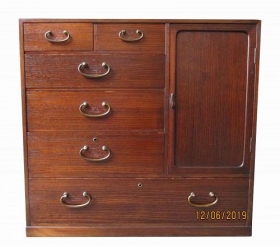
Antique Japanese Ko Tansu (Personal Storage Chest)
An antique Japanese Ko Tansu known as a personal storage chest made of Kiri (Paulownia) wood. ... read more
Japanese Antique Bamboo Basket Signed
Japanese antique bamboo basket, with beautiful handle attached at the lower sides and bound with special decorative stylized ... read more
Japanese Bamboo and Wisteria Branch Gourd-shaped Basket
Japanese bamboo and wisteria branch gourd-shaped basket, beautifully woven, with open container for holding floral arrangement ... read more
Lecture in L.a.: "Traditional Textiles of Japan in the Thomas Murray Collection" with Thomas Murray, 10:30 a.m., Saturday, January 25, 2020, sponsored ... read more
Japanese Antique 2-Section Nihon Matsu Isho Tansu
A Nihon Matsu tansu with beautiful reddish brown lacquered keyaki wood front face with hinoki (cypress) ... read more
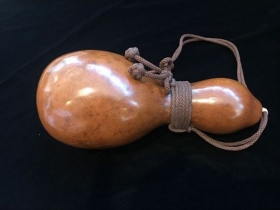
Antique Japanese Calabash, Bottle Gourd
An antique Hiotan, bottle gourd used to transport sake or medicinal items. It is a natural gourd with ... read more
Antique Japanese Choba Tansu
An antique Japanese Choba (merchant) Tansu of hinoki wood and iron hardware. The top section has one large drawer ... read more
Japanese Antique Single Section Isho Tansu
Antique Japanese single section isho tansu (clothing chest). Kiri (paulownia) wood front with sugi (cryptomeria) wood frame ... read more