







Back
SEGUSHA
These textiles are traditional Uzbek Lakai tribal art known as Segusha, 
woven and embroidered by the Lakai, a nomadic, Uzbek-speaking people found in Uzbekistan, Tajikistan, and Afghanistan.
They are either V  or L shaped embroidered  ...
SEGUSHA
These textiles are traditional Uzbek Lakai tribal art known as Segusha, 
woven and embroidered by the Lakai, a nomadic, Uzbek-speaking people found in Uzbekistan, Tajikistan, and Afghanistan.
They are either V  or L shaped embroidered  ...
SEGUSHA
These textiles are traditional Uzbek Lakai tribal art known as Segusha, 
woven and embroidered by the Lakai, a nomadic, Uzbek-speaking people found in Uzbekistan, Tajikistan, and Afghanistan.
They are either V  or L shaped embroidered  ...
SEGUSHA
These textiles are traditional Uzbek Lakai tribal art known as Segusha, 
woven and embroidered by the Lakai, a nomadic, Uzbek-speaking people found in Uzbekistan, Tajikistan, and Afghanistan.
They are either V  or L shaped embroidered  ...
SEGUSHA
These textiles are traditional Uzbek Lakai tribal art known as Segusha, 
woven and embroidered by the Lakai, a nomadic, Uzbek-speaking people found in Uzbekistan, Tajikistan, and Afghanistan.
They are either V  or L shaped embroidered  ...
SEGUSHA
These textiles are traditional Uzbek Lakai tribal art known as Segusha, 
woven and embroidered by the Lakai, a nomadic, Uzbek-speaking people found in Uzbekistan, Tajikistan, and Afghanistan.
They are either V  or L shaped embroidered  ...
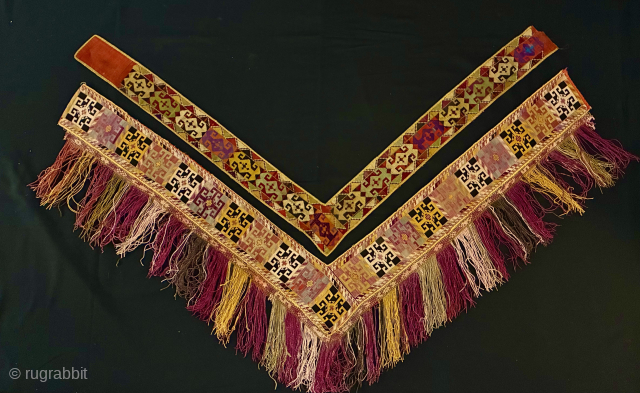
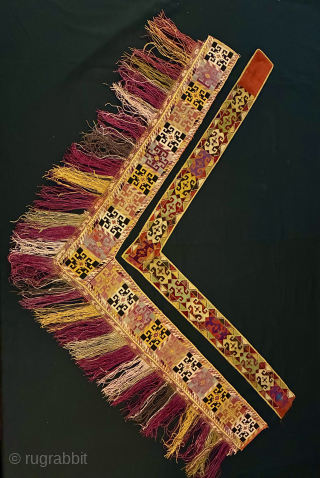
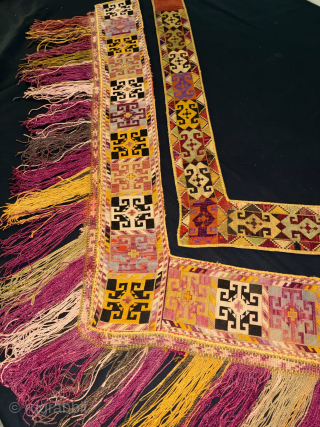
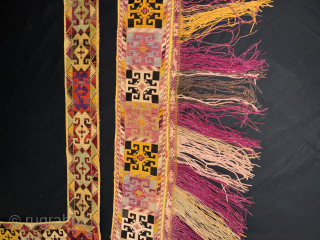
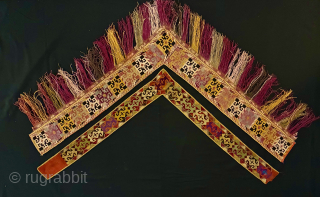
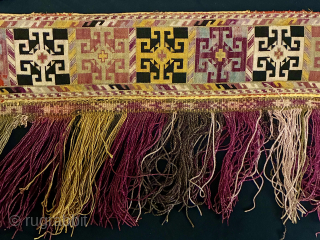
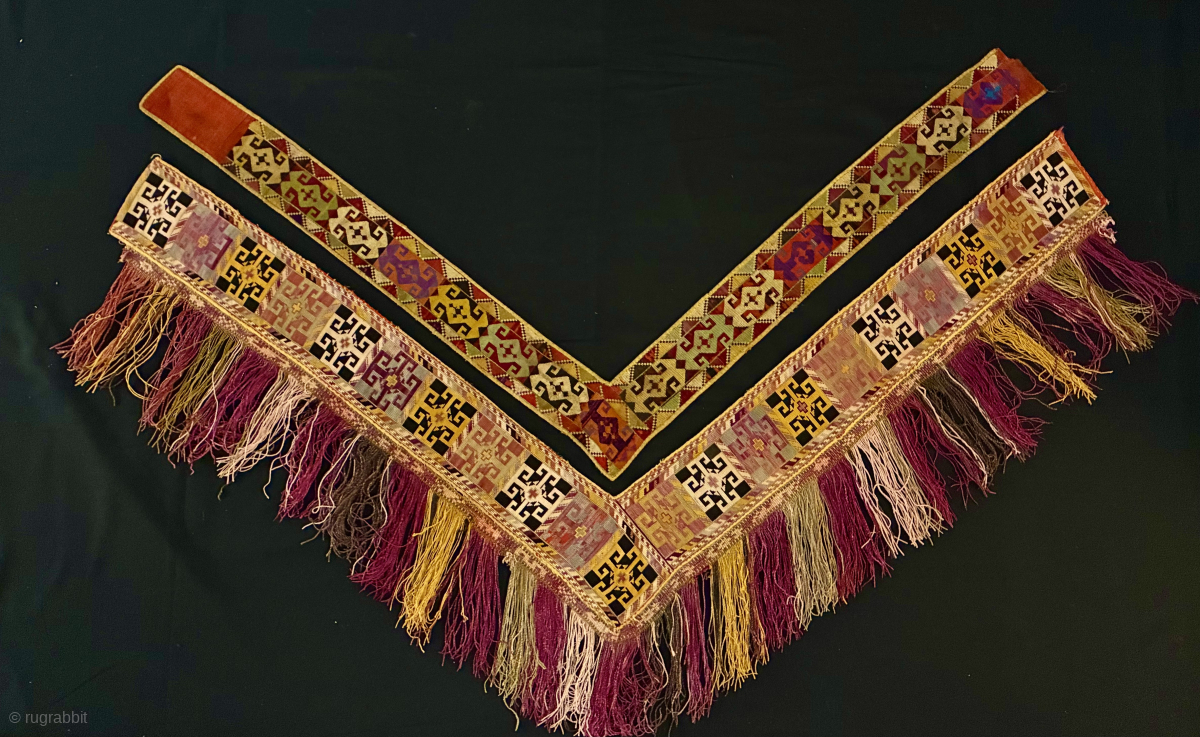
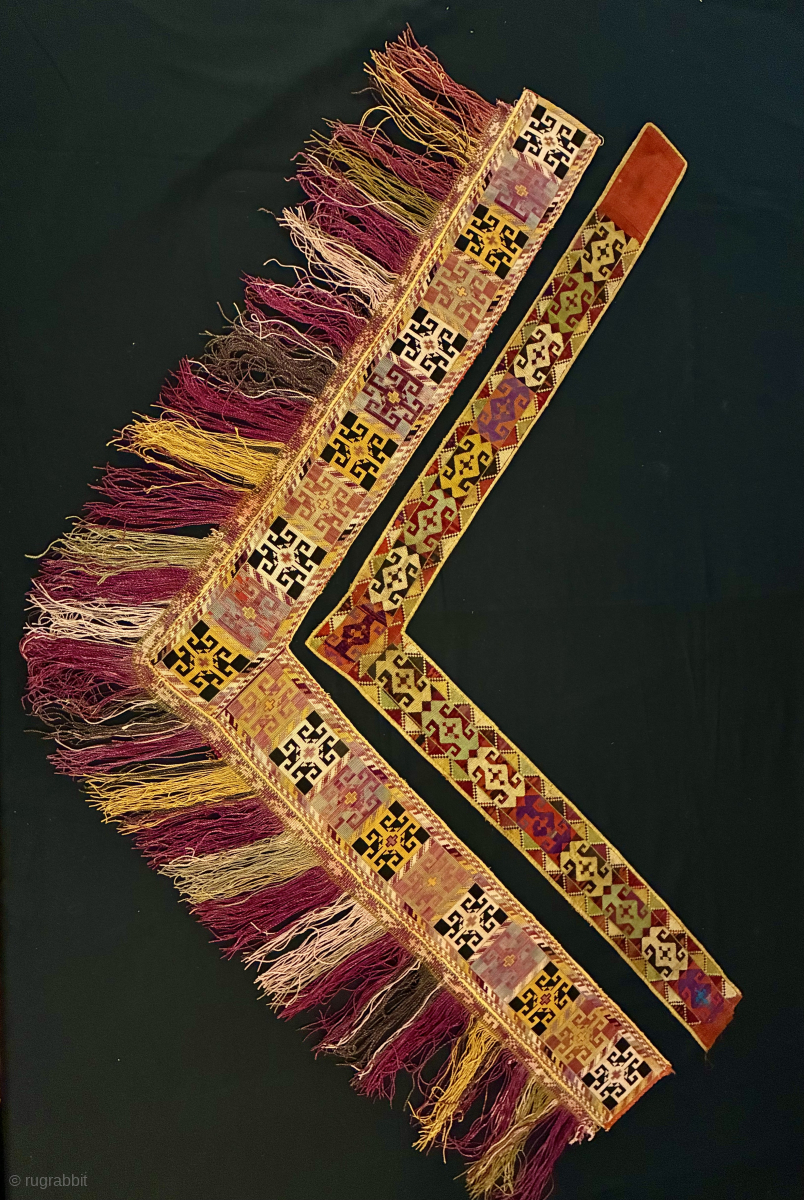
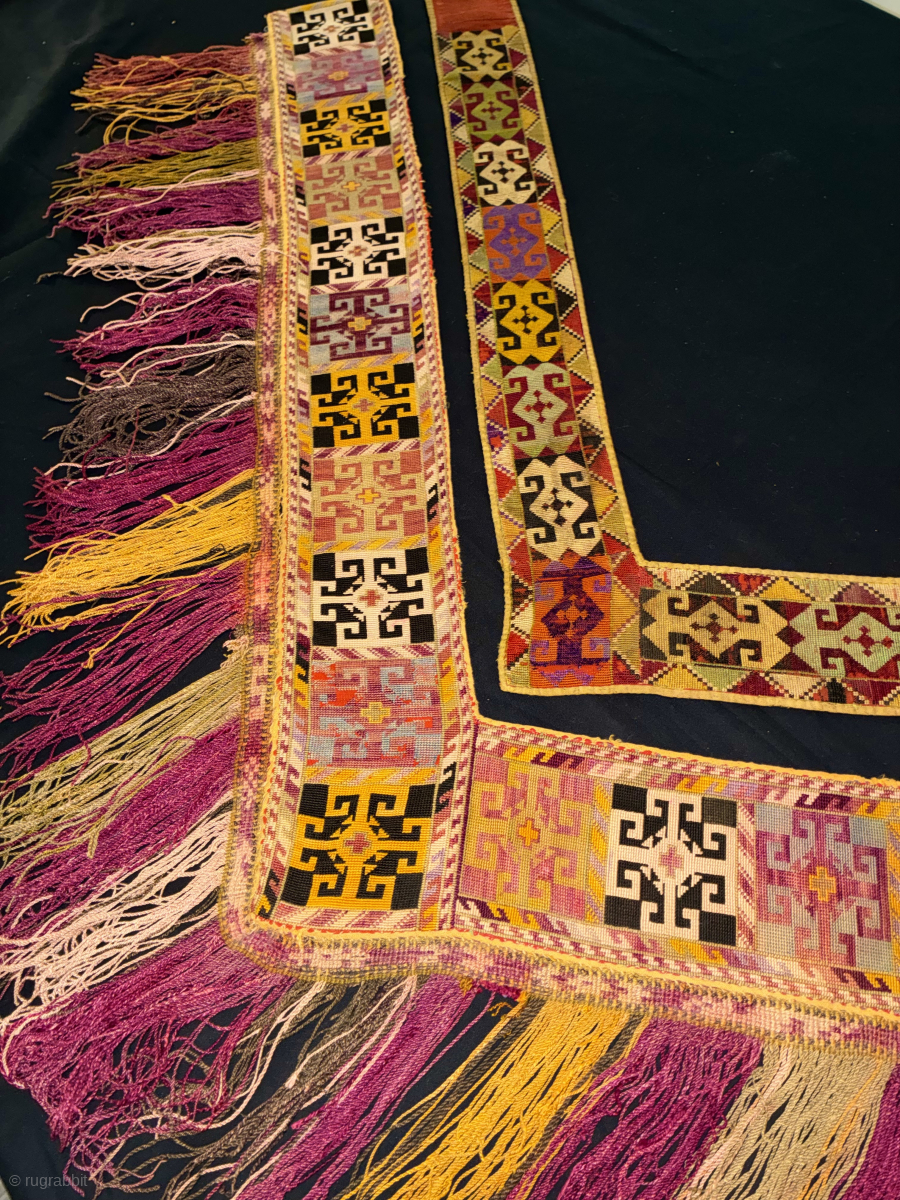
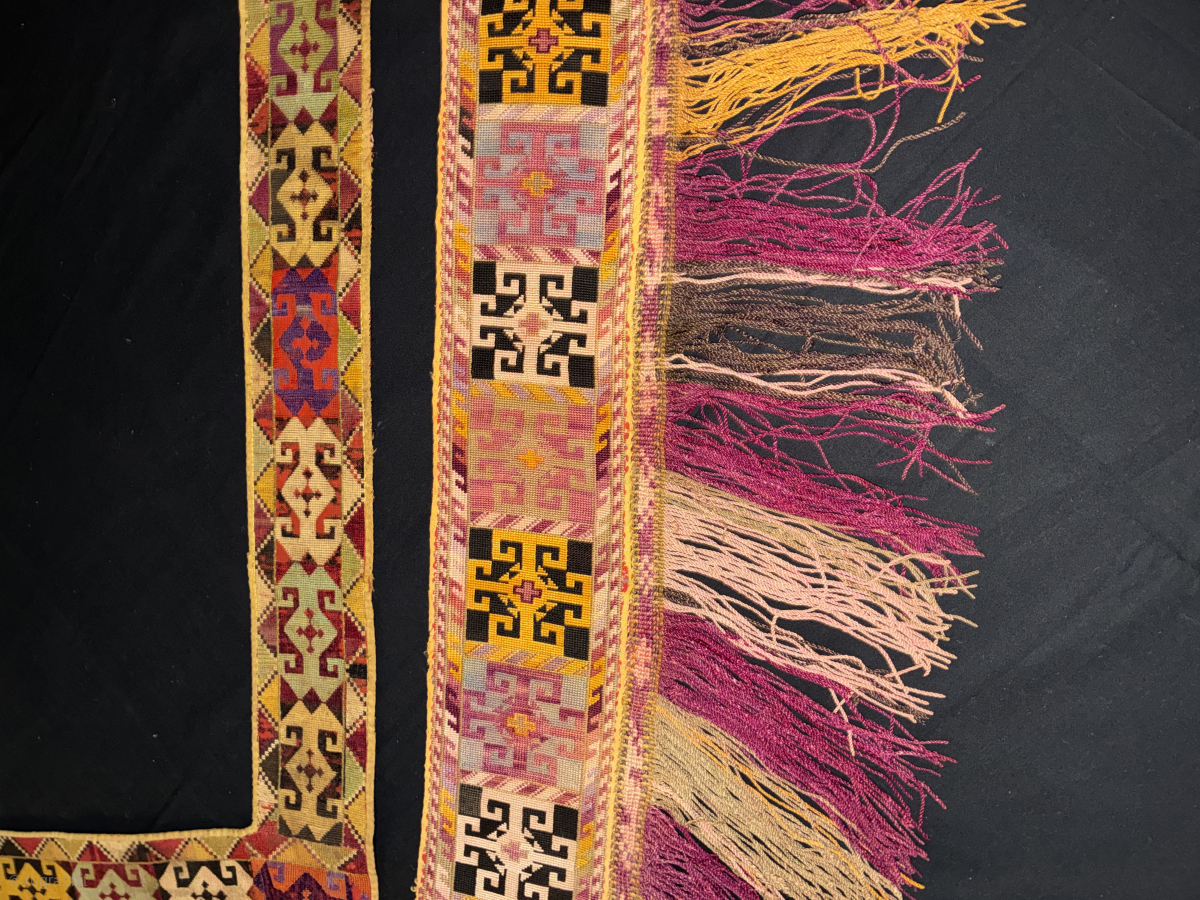
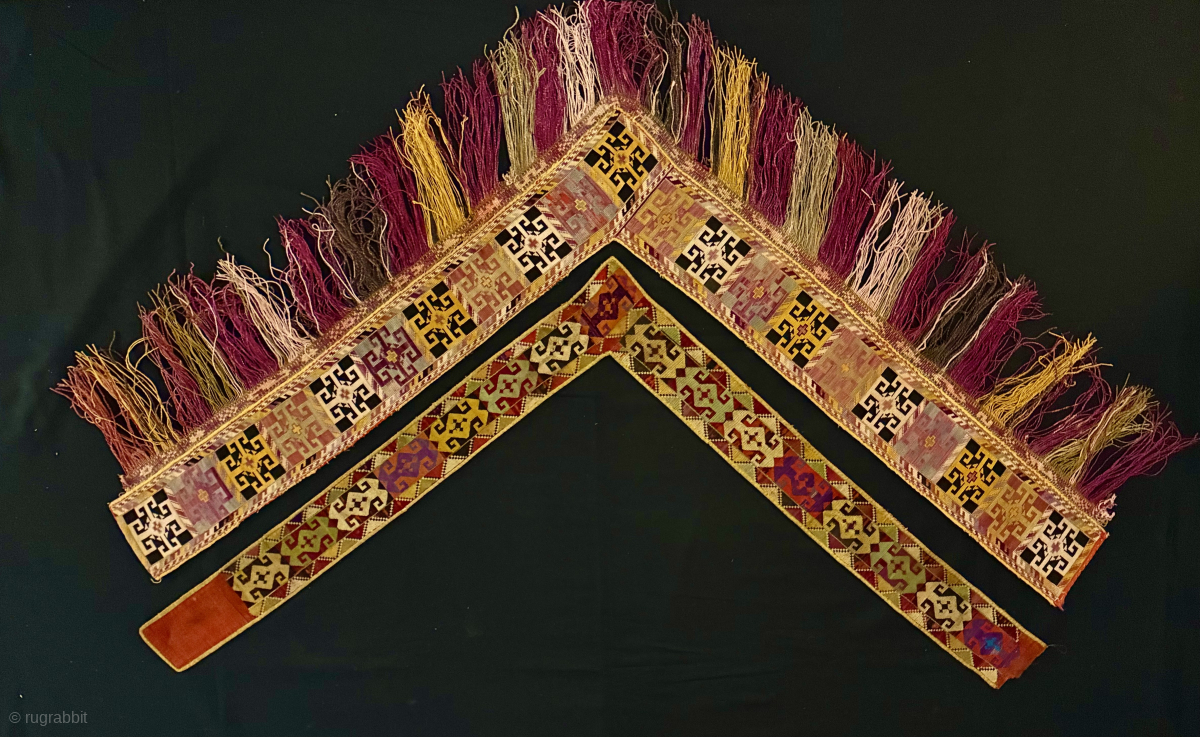
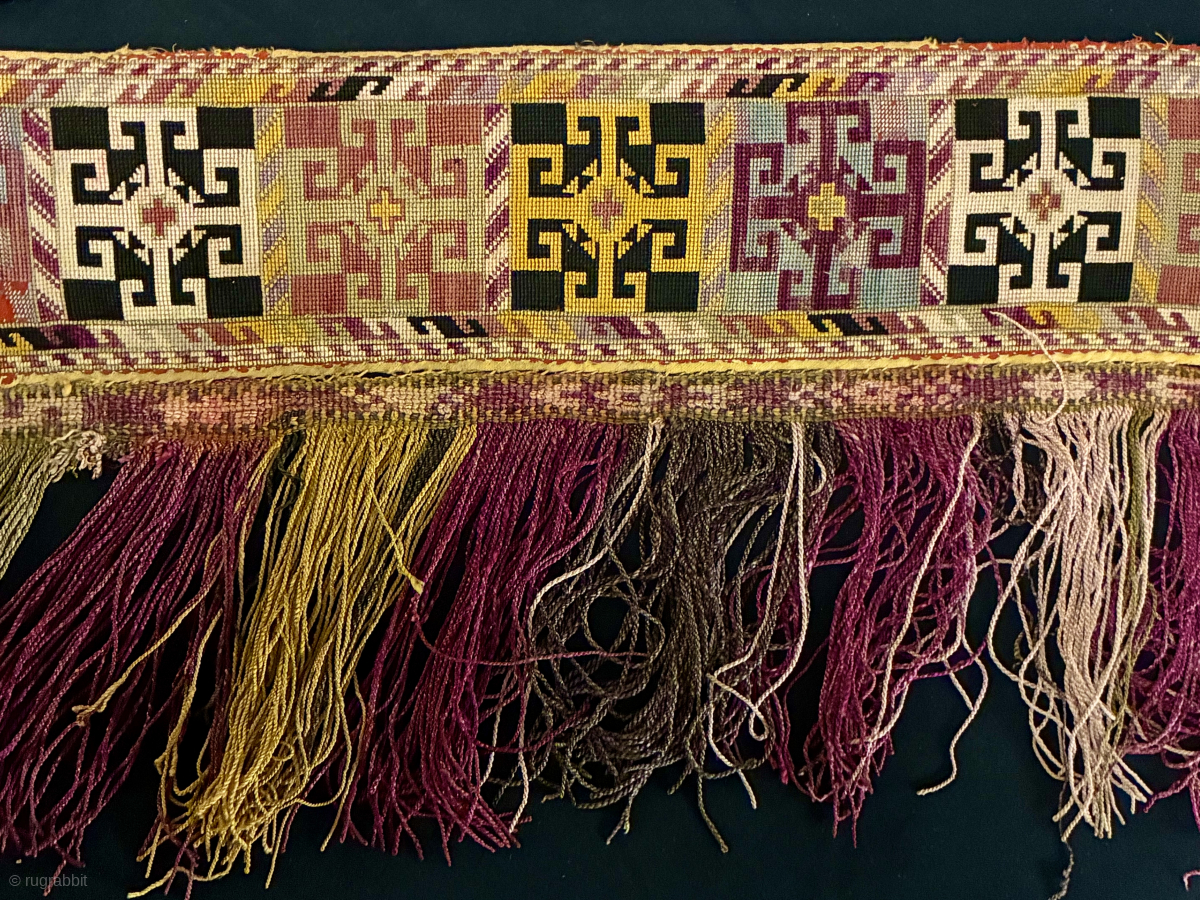
SEGUSHA These textiles are traditional Uzbek Lakai tribal art known as Segusha, woven and embroidered by the Lakai, a nomadic, Uzbek-speaking people found in Uzbekistan, Tajikistan, and Afghanistan. They are either v or l shaped embroidered bands historically used by Central Asian nomads to decorate their yurts. Specifically, they were placed on the corners of bedding stacks or hung as decorative wall ornaments to identify personal belongings. Silk embroidery on cotton, using techniques like cross-stitch or needlepoint. The designs are known for clean, sharp lines and vibrant, saturated colors. Common designs include geometric patterns, floral symbols, and tribal motifs that reflect the nomadic heritage of the steppe. The edges are often finished with long, multi-colored silk tassels. Silk embroidery on cotton Age could be 1st quarter of the 20th century Size without tassels: a) the bigger cm 75x7, b) the smaller cm 71x70 In very good condition If interested in purchasing please dm or email carlokocman@gmail.com
price:  pls inquire